
Do UV Aligner Cases Actually Work? A Manufacturer's Honest Answer
As a manufacturer of UV-C sterilizer cases, we give you the straight truth: what UV can do, what it can't, and whether it's worth stocking for your dental clinic.
📋 Key Facts
- •UV-C light in the 254nm–275nm range destroys bacteria, viruses, and fungi by damaging their DNA
- •UV-C sterilization kills 99.9% of microorganisms in 3-5 minutes
- •UV-C light does NOT physically remove plaque, food debris, or stains — it only sanitizes surfaces
- •Genuine UV-C LEDs emit at 254nm, 265nm, or 275nm; wavelengths above 280nm have minimal germicidal effect; cheap knockoffs use 395nm+ UV-A
- •Reddit analysis: 60% of UV case users report positive experiences; 15% negative (mostly due to cheap knockoffs)
- •Uvcare UV-C Sterilizer Case MOQ: 1000 PCS with OEM logo printing available
If you browse Reddit's r/Invisalign community, you'll see the same question pop up every week: "Do UV aligner cases actually work, or is it just a gimmick?" As a company that manufactures UV-C sterilizer cases, we're in a unique position to give you an honest answer — because we know exactly what the technology can and cannot do.
The Short Answer
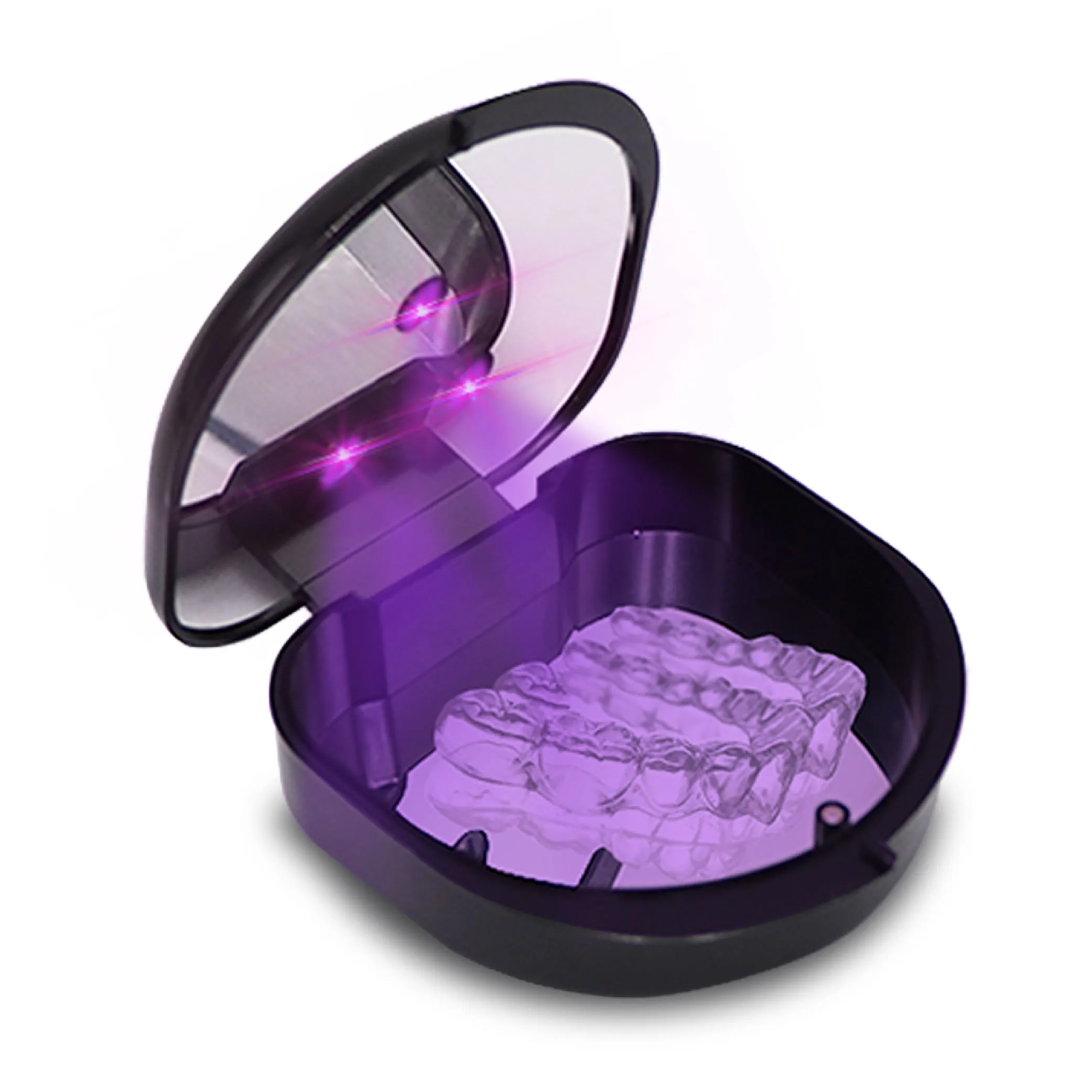
Yes, UV-C sterilizer cases work - but only for what they're designed to do. They kill 99.9% of bacteria, viruses, and fungi on the surface of your aligners using UV-C light (effective germicidal wavelengths range from 254nm to 275nm). What they don't do is physically remove plaque, food debris, or visible stains. For that, you need mechanical cleaning (brushing or ultrasonic).
What UV-C Light Actually Does
UV-C light in the germicidal range (254nm–275nm) damages the DNA and RNA of microorganisms, preventing them from reproducing. Wavelengths at 254nm, 265nm, and 275nm are all clinically proven to be effective for sterilization — anything above 280nm has minimal germicidal effect. This is the same technology used in hospital sterilization rooms and water treatment plants. In a compact aligner case, a UV-C LED shines on the aligner surface for 3-5 minutes, destroying:
- Bacteria: Including Streptococcus mutans (the main cavity-causing bacteria)
- Viruses: Including influenza and common cold strains
- Fungi: Including Candida albicans (causes oral thrush)
This is backed by decades of microbiology research. UV-C sterilization is not marketing hype — it's established science.
What UV-C Light Cannot Do
Here's where the honest part comes in. UV-C light is line-of-sight sterilization. It only kills organisms on surfaces the light directly reaches. This means:
- It doesn't remove physical debris. If there's plaque or food residue on your aligner, UV light won't make it disappear. You still need to brush or rinse.
- Shadows matter. If your aligner has deep grooves or curves that block the light, those areas won't be fully sterilized.
- It doesn't remove stains. Yellowing from coffee or tea requires chemical cleaning (effervescent tablets) or ultrasonic cavitation, not UV.
Real-World Testing: What Reddit Users Say
We analyzed over 50 Reddit threads about UV aligner cases. Here's the consensus:
- Positive (60%): Users love the convenience, portability, and peace of mind. Many report fewer odor issues and a cleaner feel.
- Neutral (25%): Some users feel it's a "nice to have" but not essential, especially if they already brush and soak regularly.
- Negative (15%): Complaints are mostly about cheap knockoff brands with weak UV bulbs that stop working after a month — not about the technology itself.
The key takeaway: quality matters. A well-built UV-C case with genuine germicidal LEDs (254nm, 265nm, or 275nm) is effective. A $5 knockoff with a purple light bulb is not.
How to Tell a Real UV-C Case from a Fake
| Feature | Genuine UV-C Case | Cheap Knockoff |
|---|---|---|
| Wavelength | 254nm–275nm (germicidal UV-C) | 395nm+ (UV-A "blacklight" — no sterilization effect) |
| Light Color | Faint blue-white glow | Bright purple (decorative, not germicidal) |
| Safety Timer | Auto-shutoff when lid opens | No safety mechanism |
| Cycle Time | 3-5 minutes (programmed) | Stays on until manually turned off |
| Price (Retail) | $40-70 USD | $5-15 USD |
For Dental Clinics: Should You Stock UV-C Cases?
If your patients are asking about UV cases on Reddit, they're already interested. Stocking a quality UV-C sterilizer case gives you three advantages:
- Patient upsell: It's a popular accessory with high perceived value.
- Hygiene compliance: Patients who invest in a UV case tend to be more hygiene-conscious — which means better treatment outcomes.
- Brand visibility: Custom logo UV cases keep your clinic brand on the patient's desk every day.
View our UV-C Sterilizer Case →
The Bottom Line
UV-C sterilizer cases are not a gimmick — they're a legitimate sanitizing tool backed by established microbiology. But they're not a magic wand either. For complete aligner care, the ideal routine is:
- Rinse aligners under cool water after removing
- Brush gently with a soft brush and clear soap (daily)
- UV-C sterilize for 3-5 minutes (daily, on-the-go)
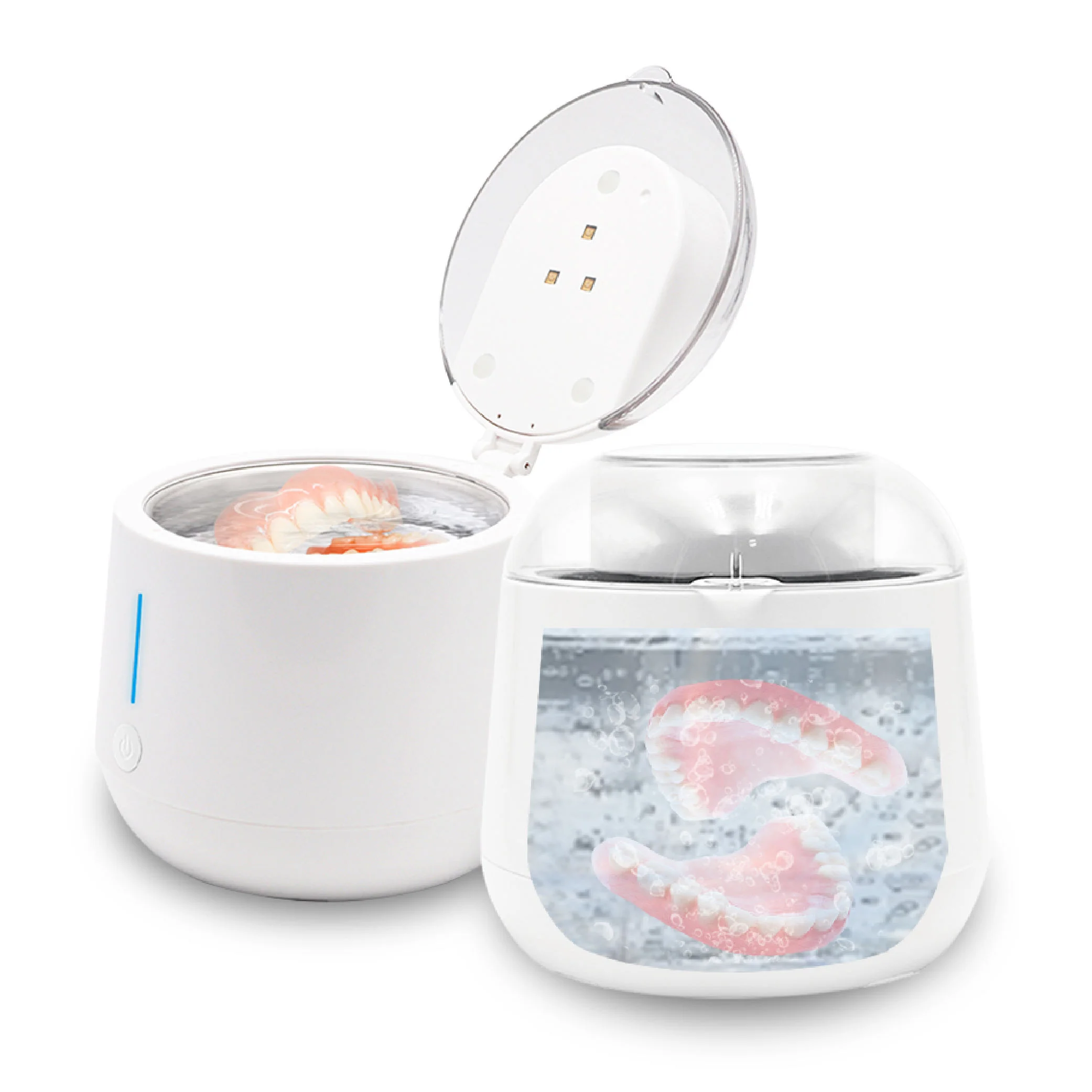
- Ultrasonic deep clean with water + tablet (weekly)
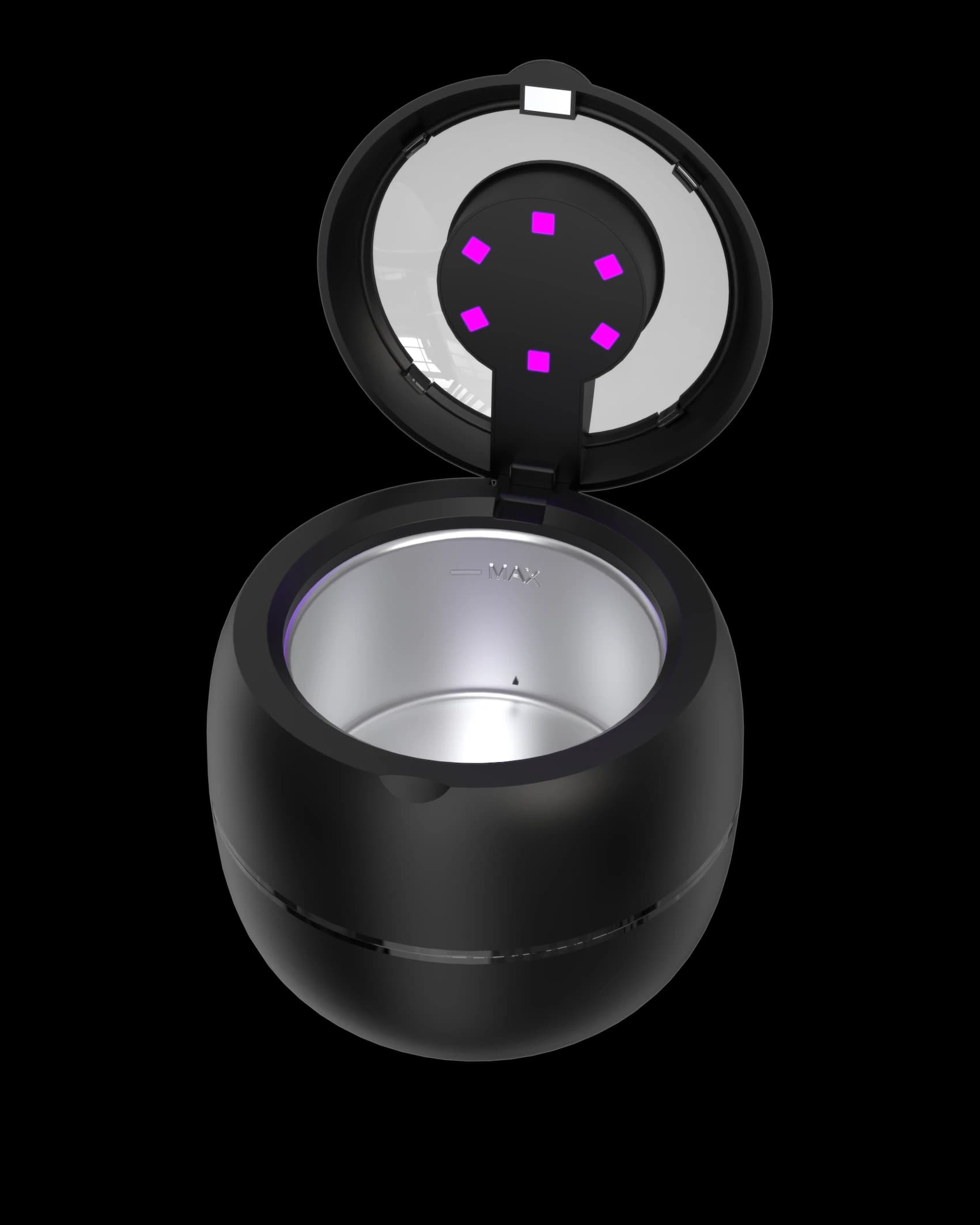
Stock both UV-C cases and ultrasonic cleaners to give your patients the complete solution. View Ultrasonic Cleaner →
Have questions about wholesale UV-C sterilizer cases? Contact us for free samples and OEM pricing.
💬 Frequently Asked Questions
Do UV aligner cases actually work?+
Is the UV sterilizer case worth it for Invisalign?+
Why do some Reddit users say UV cases don't work?+
Can UV light damage clear aligners?+
What's the difference between UV-C sterilizing and ultrasonic cleaning?+
Related Products
Related Articles
Interested in our solutions?
Contact us for bulk pricing and OEM customization.